

High-Quality Flexible Braid Connections from China Factory – Reliable Solutions from Leading Suppliers
Product Description
Flexible Design
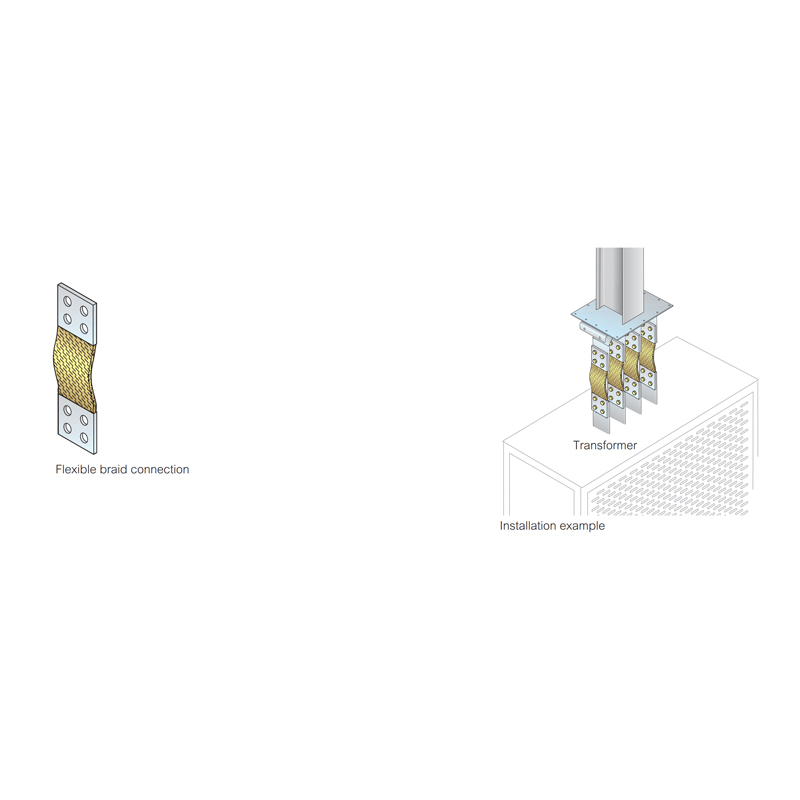
Flexible braided connections are constructed from multiple strands of conductive material that are intricately woven together to create a highly flexible conductive link. This design allows the connection to absorb the movement and thermal expansion that occurs between devices, effectively mitigating mechanical stress. The flexibility of these connections becomes critical in environments where equipment may experience vibration or thermal fluctuations. By adapting to these changes, flexible braided connections significantly reduce the risk of poor electrical contact that could lead to system failure or inefficiency.
System Reliability
The reliability of a power bus system is directly affected by the quality of its connections. The flexible braided connections not only enhance conductivity between components but also help improve the overall durability of the system. The braided structure of these connections allows them to withstand the rigors of daily operation, ensuring efficient and uninterrupted transmission of electrical signals. This reliability is critical for applications that require continuous power supply, such as industrial environments, data centers and critical infrastructure.
Simplified Installation & Maintenance
The installation and maintenance of power bus systems are often complex and time-consuming. However, these processes can be significantly simplified using flexible braided connections. Their inherent flexibility makes maneuverability easier during installation, allowing technicians to more easily operate in tight spaces and awkward angles. Additionally, maintenance of these connections is simple as their sturdy design minimizes wear and tear over time. This ease of installation and maintenance not only saves time and labor costs, but also improves the overall efficiency of the power distribution system.
Frequently Asked Questions
It is an innovative connection method constructed from multiple strands of conductive material woven together to create a highly flexible link between various electrical devices and bus segments.
The flexible design allows the connection to absorb movement and thermal expansion between devices, mitigating mechanical stress and reducing the risk of poor electrical contact caused by vibrations or thermal fluctuations.
They are critical for demanding applications that require an uninterrupted and continuous power supply, such as industrial environments, data centers, and critical infrastructure.
Their inherent flexibility allows for easier maneuverability, enabling technicians to operate efficiently in tight spaces and awkward angles during setup.
Their sturdy, durable design minimizes wear and tear over time, which simplifies maintenance, saves labor costs, and improves overall power distribution efficiency.