
Leave Your Message

High-Quality Aluminum Busbars from China Suppliers | Efficient Electrical Distribution Factory Solutions

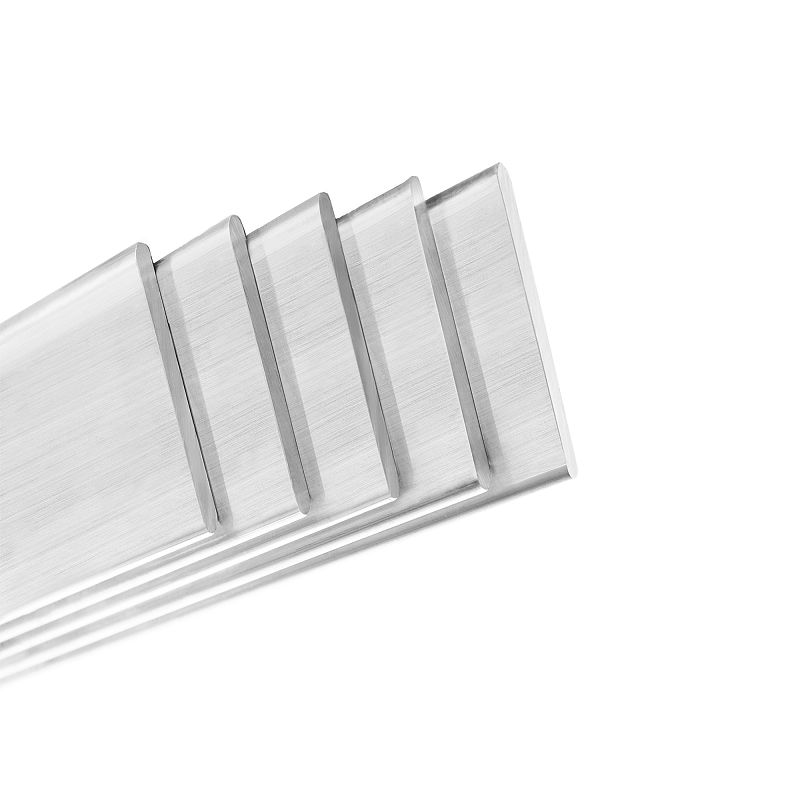
Aluminum Busbars are essential conductive materials designed for efficient power distribution and connection, primarily constructed from high-quality aluminum alloy. As a lightweight option with excellent electrical conductivity, aluminum busbars are extensively utilized in power systems, substations, and industrial equipment throughout China. Compared to copper busbars, aluminum alternatives offer a more cost-effective solution along with superior corrosion resistance. However, it is important to consider their relatively lower conductivity, which necessitates careful attention to cross-sectional area and load capacity during design. Produced by reliable suppliers and factories in China, aluminum busbars are not only easy to install and maintain but also ideal for large-scale power transmission and distribution applications.

    Product Description

    Aluminum busbars are conductive materials designed specifically for power distribution and connection, and are usually composed of aluminum alloys. Its unique properties make it ideal for a variety of applications, especially power systems, substations and industrial equipment.

    Lightweight Nature

    Facilitates easier handling and installation while reducing the overall structural load on the supporting frame. Ideal for high-rise buildings and mobile equipment.

    Cost-Effective

    Offers a budget-friendly alternative to copper, particularly for large-scale projects, without compromising on reliability.

    Corrosion Resistance

    Superior durability in environments exposed to moisture or corrosive elements, extending the lifespan and reducing maintenance needs.

    Aluminum vs. Copper Busbars

    While copper is known for superior conductivity, aluminum busbars offer a more practical solution for budget-conscious projects. Aluminum’s lower material cost and natural resistance to corrosion make it particularly beneficial in harsh industrial environments. However, engineers must account for the lower electrical conductivity by designing a larger cross-sectional area to achieve the same load capacity as copper, ensuring the system operates without overheating.

    In terms of installation and maintenance, the use of aluminum busbars is relatively simple. Their lightweight nature simplifies the installation process, allowing for faster assembly and lower labor costs. Additionally, aluminum busbars have lower maintenance requirements compared to other materials because they are less susceptible to corrosion and degradation. This ease of maintenance is particularly beneficial in industrial environments, where downtime can result in significant financial losses.

    Overall, aluminum busbars represent a practical and efficient solution for large-scale power transmission and distribution, combining cost-effectiveness with reliable performance. They play a vital role in modern electrical systems, making them the first choice for power distribution in substations and industrial equipment.

    Frequently Asked Questions

    What are the primary advantages of using aluminum busbars?
    The main advantages include their lightweight nature for easy installation, significant cost savings compared to copper, and excellent natural corrosion resistance.
    How does the conductivity of aluminum compare to copper?
    Aluminum has lower electrical conductivity than copper. To compensate for this and handle the same electrical load, aluminum busbars require a larger cross-sectional area.
    Why is the lightweight feature of aluminum important?
    Being lightweight reduces the structural load on support frames and makes handling and assembly much faster, which lowers labor costs during installation.
    Are aluminum busbars suitable for outdoor or corrosive environments?
    Yes, aluminum has better natural corrosion resistance than copper, making it highly durable in environments exposed to moisture or corrosive chemical elements.
    What maintenance is required for aluminum busbars?
    Aluminum busbars generally require very low maintenance because they do not degrade easily and resist corrosion, which helps prevent industrial downtime.
    Where are aluminum busbars typically applied?
    They are widely used in power distribution systems, electrical substations, industrial equipment, high-rise buildings, and mobile power units.

    Leave Your Message