
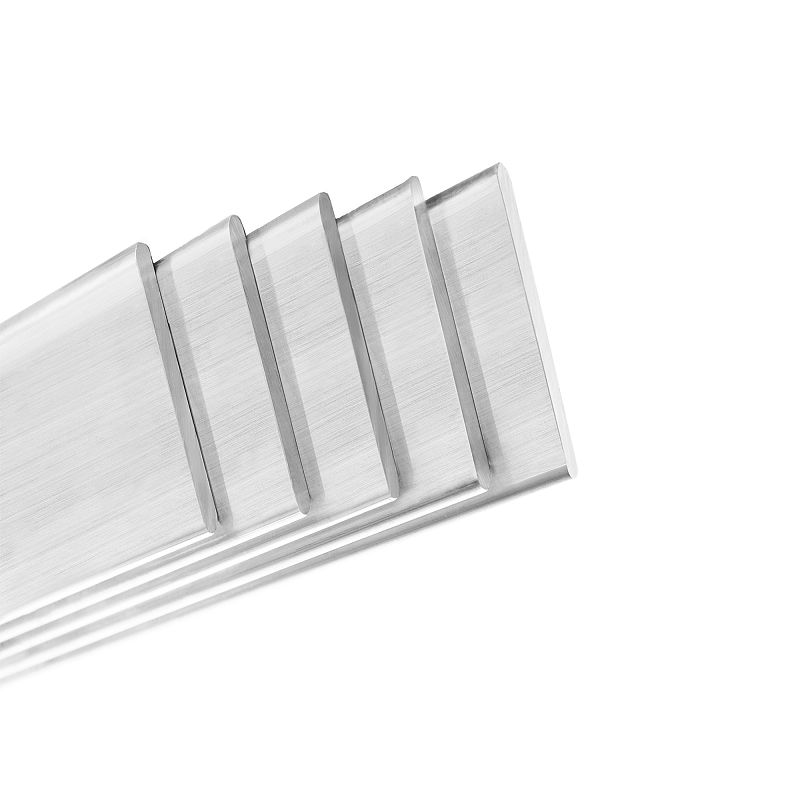
High-Quality Aluminum Busbar for Efficient Electrical Distribution from China Suppliers and Factory
Product Description
Lightweight Nature
One of the most significant advantages of aluminum busbars is their lightweight nature. This feature not only facilitates easier handling and installation, but also reduces the overall structural load on the supporting frame. In environments where weight is a key factor, such as high-rise buildings or mobile equipment, aluminum busbars provide a practical solution. Additionally, their good electrical conductivity ensures efficient power transmission, making them a reliable choice for electrical engineers and designers.
Copper Comparison & Cost
When comparing aluminum busbars to copper busbars, several factors come into play. While copper busbars are known for their superior electrical conductivity, aluminum busbars offer a more cost-effective alternative. Aluminum’s lower material cost makes it an attractive option for larger projects on a budget. Additionally, aluminum has better corrosion resistance than copper, which is especially beneficial in environments exposed to moisture or corrosive elements. This durability extends the life of the busbars and reduces the need for frequent replacement and maintenance.
Conductivity & Design
The conductivity difference between aluminum and copper must be taken into account when designing electrical systems. Aluminum busbars have lower electrical conductivity and require a larger cross-sectional area to achieve the same load capacity as copper busbars. Engineers must carefully size aluminum busbars to ensure they can handle the required electrical load without overheating or causing inefficiencies. This design consideration is critical to maintaining the safety and reliability of the power distribution system.
Installation & Maintenance
In terms of installation and maintenance, the use of aluminum busbars is relatively simple. Their lightweight nature simplifies the installation process, allowing for faster assembly and lower labor costs. Additionally, aluminum busbars have lower maintenance requirements compared to other materials because they are less susceptible to corrosion and degradation. This ease of maintenance is particularly beneficial in industrial environments, where downtime can result in significant financial losses. Overall, aluminum busbars represent a practical and efficient solution for large-scale power transmission and distribution, combining cost-effectiveness with reliable performance.
Frequently Asked Questions
What are the main applications of aluminum busbars?
Aluminum busbars are designed specifically for power distribution and connection. They are widely used in power systems, substations, and various industrial equipment applications.
Why is the lightweight nature of aluminum busbars beneficial?
The lightweight design makes handling and installation much easier, reducing labor costs and shortening assembly time. It also decreases the overall structural load on supporting frames, making it ideal for weight-sensitive setups like high-rise buildings and mobile equipment.
How do aluminum busbars compare to copper busbars in terms of cost?
Aluminum busbars are a more cost-effective alternative to copper busbars. The lower material cost of aluminum makes it a highly attractive option for larger projects operating on a budget.
Do aluminum busbars offer good corrosion resistance?
Yes, aluminum has better corrosion resistance than copper. This makes aluminum busbars particularly durable in environments exposed to moisture or corrosive elements, extending their lifespan and minimizing the need for frequent replacement.
What design adjustment is required due to aluminum's lower conductivity?
Because aluminum has lower electrical conductivity than copper, engineers must design aluminum busbars with a larger cross-sectional area to carry the same electrical load safely without overheating or reducing system efficiency.