
China Busduct Systems: Reliable Power Transmission Solutions from Leading Suppliers and Factory
Product Description
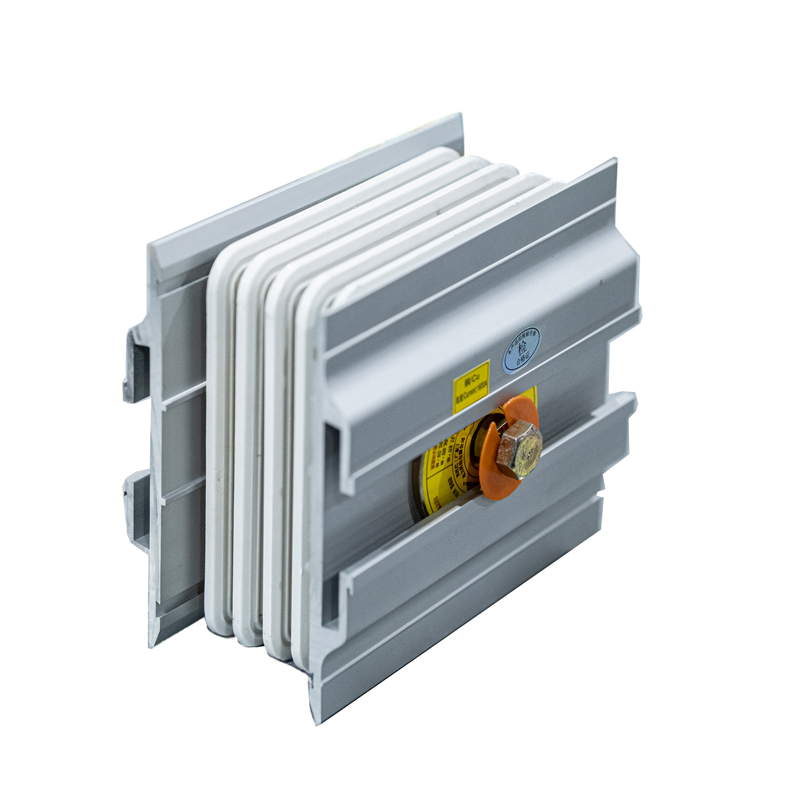
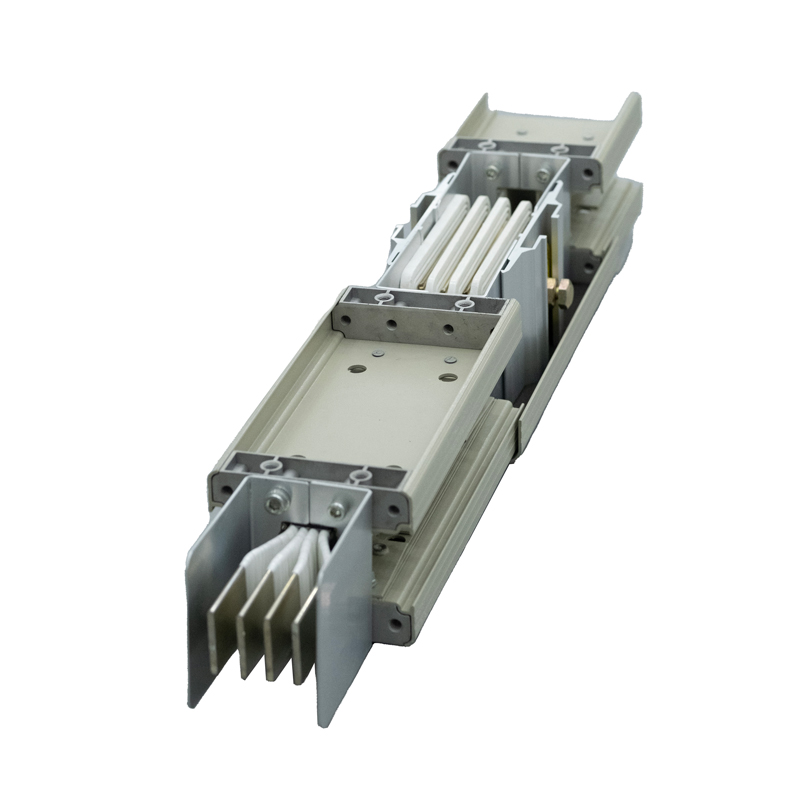
The system is designed to safely transmit electricity from a substation or distribution room to various electrical consumers through a series of conductive busbars and connections. While the overall design of the busway is critical, the importance of the busway joints cannot be overstated. These connectors are critical to the system, ensuring electrical connectivity and mechanical stability.
The busway joint is an integral component that promotes seamless connection between sections. High-quality connectors are engineered to minimize contact resistance, which is critical to maintaining optimal conductivity and reducing the risk of overheating.
These joints must withstand stresses including thermal expansion, vibration, and mechanical loading. Robust design ensures busbars remain securely connected, preventing disconnections that could cause system failure.
High-quality connectors protect equipment and personnel by effectively managing heat dissipation and minimizing electrical failure risks, ensuring efficient operation even under high load conditions.
The importance of busway joints in power busway systems cannot be ignored. They are an important component in ensuring efficient and safe power transmission. High-quality busway connectors help improve the overall efficiency of the power distribution system by minimizing contact resistance, providing mechanical stability, and enhancing safety.
Frequently Asked Questions
What is the primary function of a busway joint?
A busway joint acts as a critical connector between different sections of the busbar, ensuring both seamless electrical connectivity and long-term mechanical stability for the entire distribution system.
How do joints prevent system overheating?
By being engineered to minimize contact resistance, high-quality joints reduce energy loss. Lower resistance directly correlates to less heat generation, preventing potential safety hazards in high-current applications.
Can busway joints handle environmental vibrations?
Yes, robust busway joints are specifically designed to withstand mechanical stresses such as vibration, thermal expansion, and physical loading to maintain a secure connection.
Why is thermal management important in these connectors?
Effective heat dissipation ensures that the system operates efficiently under high load conditions, protecting both the electrical equipment and the personnel working nearby from failure risks.
Are these systems suitable for industrial environments?
Absolutely. In industrial and commercial settings where the consequences of electrical failure can be severe, the reliability and safety features of high-quality busway joints are critical.
What happens if a busway joint fails?
Joint failure can lead to disconnected power, system-wide downtime, equipment damage due to overheating, and significant safety risks like electrical fires or shocks.